Sustainable Industrial Water and Wastewater Management
Updated: Jun 22
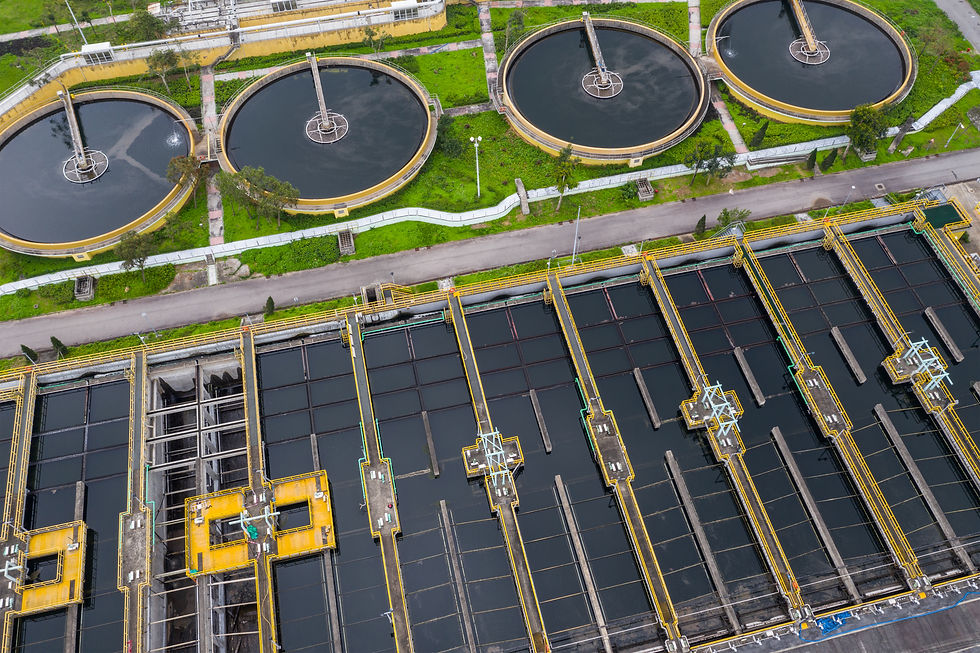
In the industrial sector, water is recognized as a strategic resource playing a vital role in production processes, utility systems, and business continuity. Concurrently, wastewater generated from industrial activities requires highly effective management to mitigate impacts on the environment and surrounding communities, while ensuring strict regulatory compliance. Consequently, sustainable water and wastewater management has transcended being a mere environmental concern; it has evolved into a core strategic component that drives operational efficiency, reduces long-term costs, and strengthens corporate credibility for modern, large-scale industrial projects.
Industrial Water Challenges
Large-scale industrial projects—such as power generation plants, petrochemical complexes, industrial estates, and food processing facilities—are inherently characterized by intensive water consumption. Furthermore, they generate complex wastewater streams with significant variations in contaminant volume, concentration, and water quality.
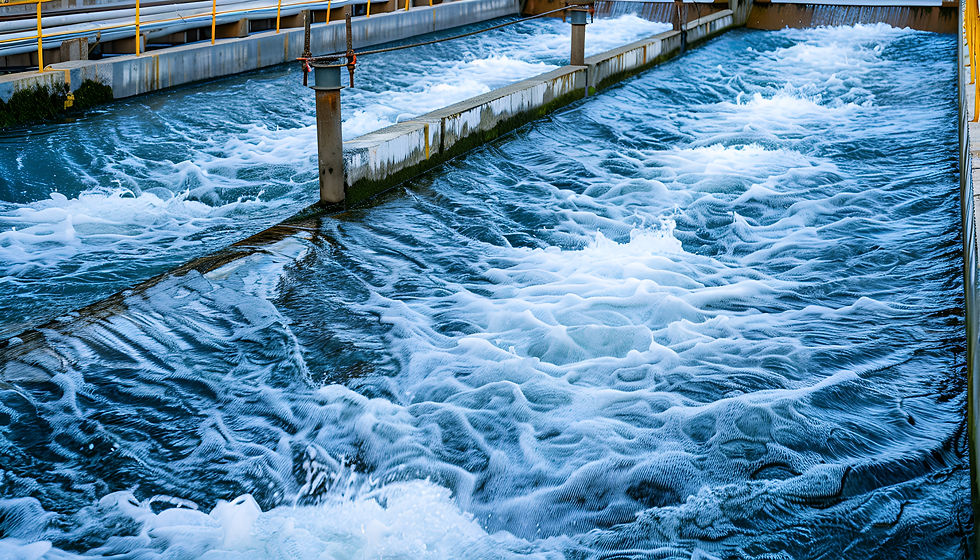
Without an appropriate management system, organizations may face multi-dimensional challenges, including:
Increased operational costs.
Disruptions in production processes.
Risks of environmental regulatory non-compliance.
Adverse impacts on corporate image and stakeholder confidence.
Therefore, selecting highly efficient and standardized water management technologies is a critical factor in driving the sustainable success of industrial enterprises.
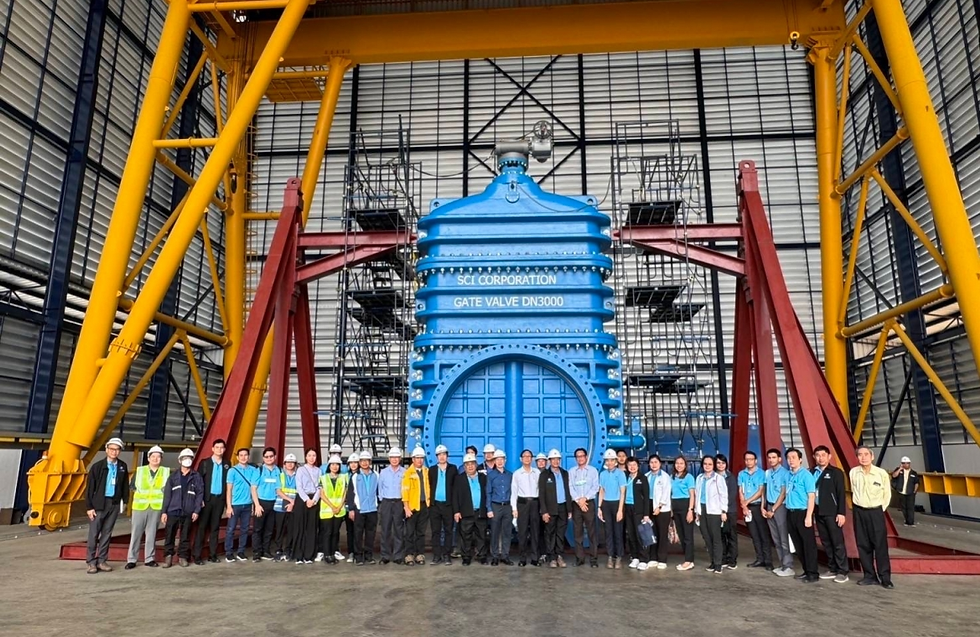
Siam Syndicate Technology Public Company Limited (SST) is a leading expert in industrial water and wastewater management. We are dedicated to transforming "water challenges" into "business opportunities" by delivering world-class Water Treatment and Wastewater Management technologies.
SST is committed to developing innovative solutions that ensure every drop of water resource is utilized with maximum efficiency and cost-effectiveness, while strictly adhering to environmental regulations. We place equal importance on system performance, sustainability, and supporting our clients' future business expansion.
We carefully select and deliver advanced technologies from world-renowned brands, categorized into three core technological pillars:
Optimization of Sedimentation and Water Filtration Systems
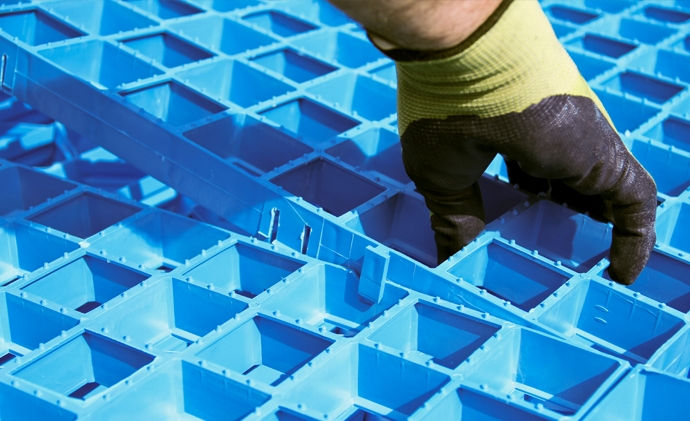
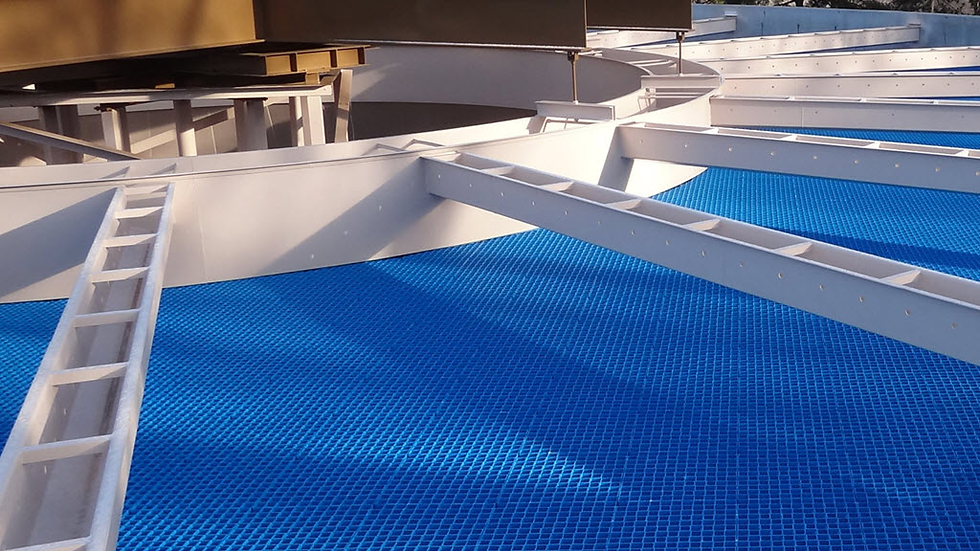
Tube Settlers is an inclined plate sedimentation technology from the United States, engineered to maximize the efficiency of clarification in both water treatment and wastewater treatment systems without requiring the expansion of existing basin structures. The system is designed with a network of inclined tubes or channels arranged at a specific angle inside the sedimentation tank. This configuration significantly increases the effective settling surface area for suspended solids. By dramatically shortening the settling distance, solid particles can precipitate much faster and with greater efficiency.
Furthermore, this Tube Settlers technology is fully certified to the ANSI/NSF 61 standard, making it the ideal solution for water treatment plants, wastewater treatment facilities, and projects seeking sustainable upgrades to their water system efficiency.
Benefits of Tube Settlers Technology
Maximizes clarification efficiency without system expansion.
Reduces water turbidity prior to entering the filtration system.
Minimizes chemical usage.
Reduces sedimentation tank footprints in new projects.
Increases overall system production rates (throughput).
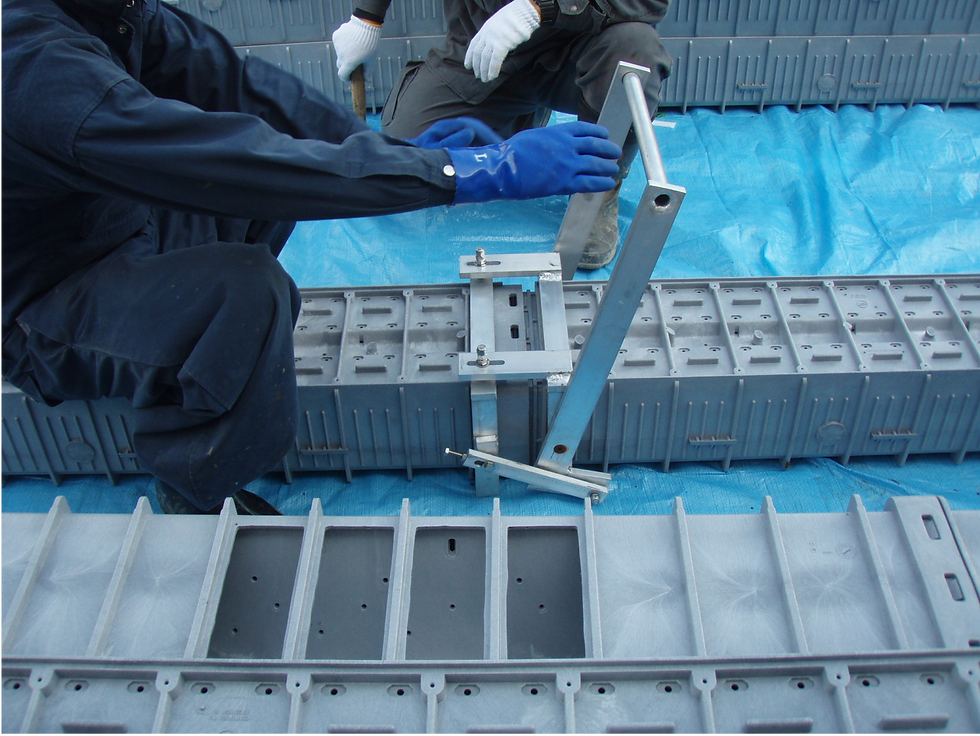
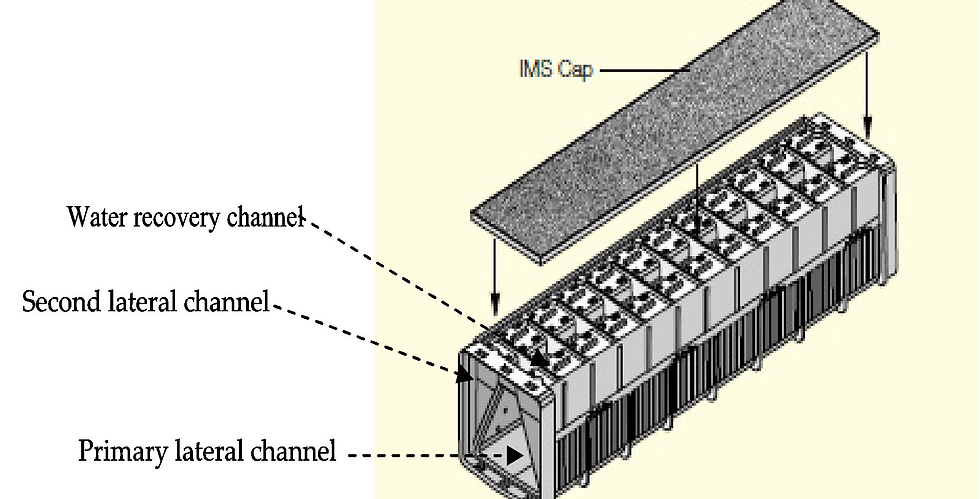
The Filter Underdrain Block System is an advanced water collection and distribution network designed for under rapid sand filters (Rapid Sand Filter). Imported directly from the United States, this technology is engineered by a manufacturer with extensive expertise and a long-standing heritage in water filtration systems dating back to 1924. The primary functions of an underdrain system are to support the filter media bed, ensure uniform water distribution, and serve as the critical heart of the backwash process. If the distribution of water or air is uneven, "Dead Zones" will occur, leading to reduced filtration efficiency and accelerated degradation of the filter media.
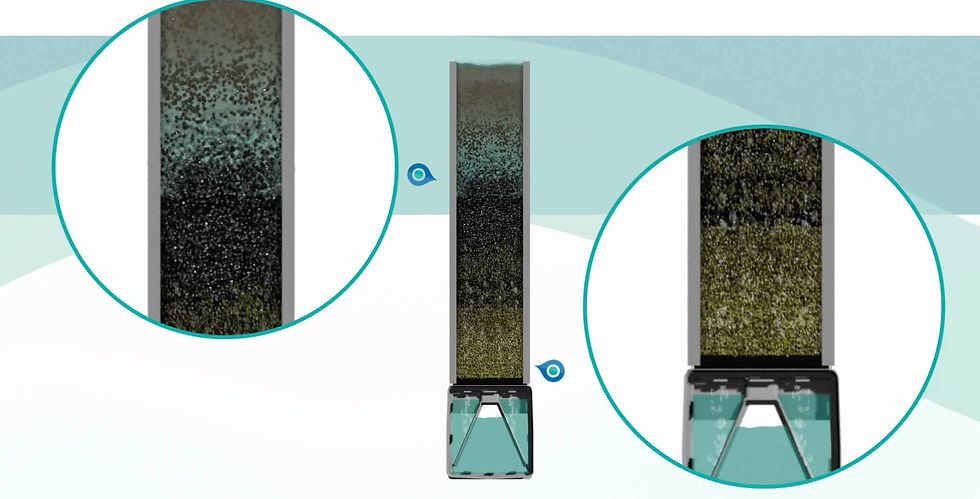
The integrated Air & Water Backwash system delivers superior results compared to using water alone. The air injection helps agitate and loosen the filter media bed thoroughly, allowing contaminants to be washed away much more effectively. Furthermore, this method significantly minimizes the volume of water required for the backwash process, leading to a noticeable reduction in wastewater generation. The system features a lightweight design for easy installation, is fully certified to the ANSI/NSF 61 standard, and has been successfully implemented in over 75 projects from 2009 to the present.

The Submerged Sludge Collector (Siphon Type) is a vital solution for sedimentation basin systems in water and wastewater treatment applications. Managing settled sludge within the sedimentation tank is a critical step that directly impacts overall system efficiency. Failure to consistently remove accumulated sludge from the basin can lead to sludge buildup, degraded water quality, and an increased burden on subsequent treatment processes. The Submerged Sludge Collector operates on the siphon principle, utilizing the natural differential in water levels. Because it does not require direct sludge pumps, the system delivers remarkably low energy consumption coupled with high operational stability.
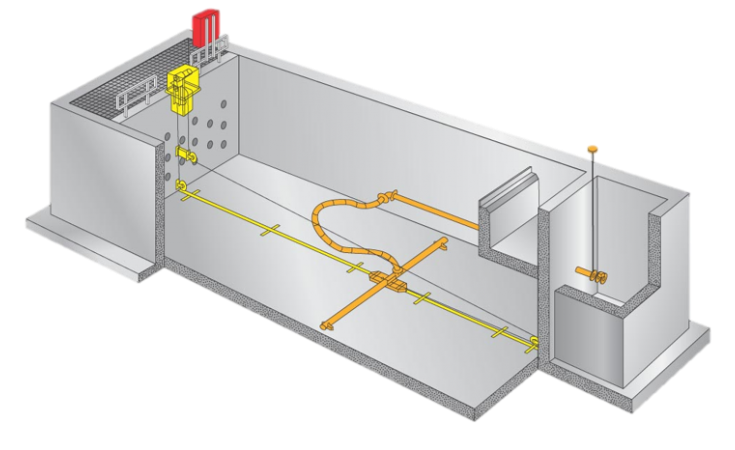
This technology is fully automated and controlled via a PLC (Programmable Logic Control) system, enabling precise configuration of sludge removal patterns and cycles. Users can flexibly adapt operational functions to suit the specific characteristics of the sludge, sediment volume, and the unique operating conditions of each project. Furthermore, the PLC system enhances sludge removal consistency, involves minimal mechanical movement, mitigates risks associated with human error, and ensures low maintenance. This supports continuous water treatment operations at peak efficiency. To date, Siam Syndicate Technology Public Company Limited (SST) has successfully implemented this system in over 50 projects across diverse industries.
Wastewater Treatment and Water Recycling Technologies
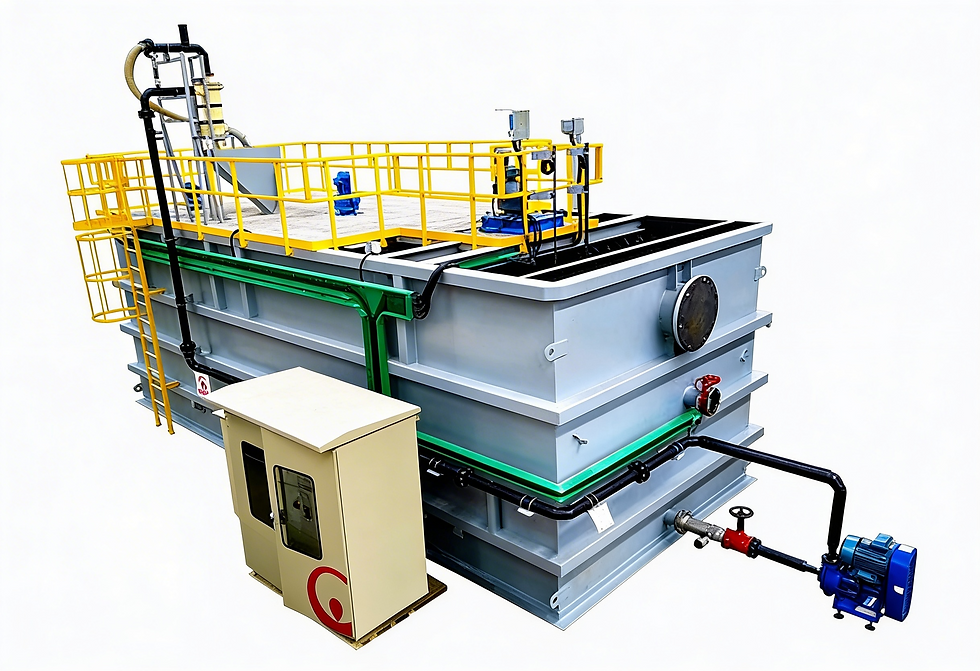
The Actiflo High-Rate Clarifier is an advanced, high-efficiency water production and treatment technology. Originating as a breakthrough innovation from France, this system is engineered with a compact footprint and the versatility to handle highly diverse water conditions. It is ideal for municipal water supply systems, water recycling initiatives, as well as industrial and municipal wastewater treatment applications.
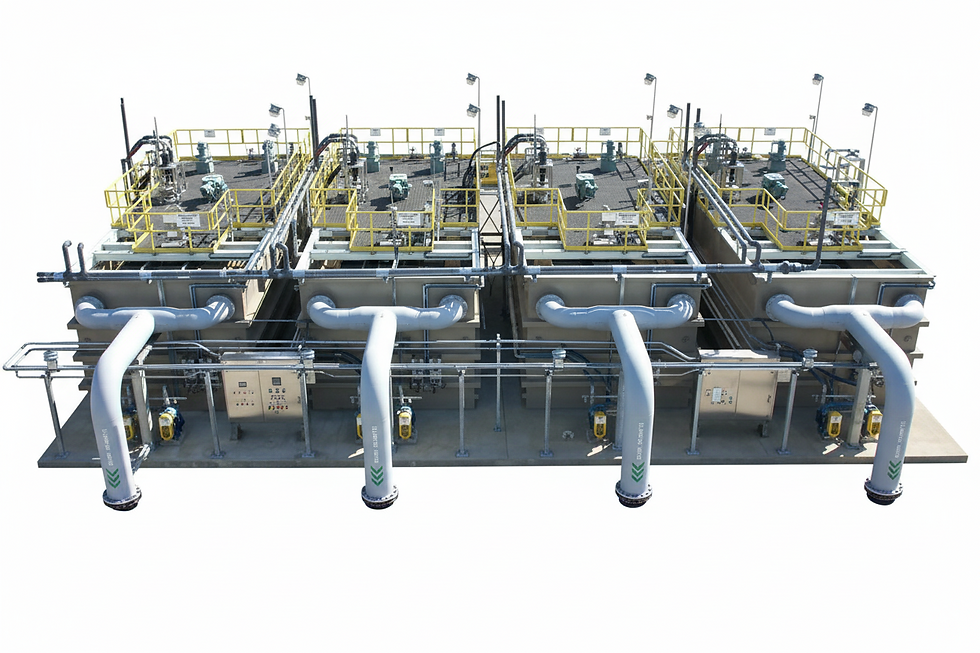
At the heart of the Actiflo High-Rate Clarifier technology is microsand, which acts as a ballast to weigh down flocculated particles, enabling rapid and highly stable sedimentation. The system achieves up to 99% turbidity removal, performing reliably with standard raw water as well as under critical, high-turbidity conditions such as floods or sudden raw water source fluctuations. Consequently, this technology is widely recognized and adopted globally across industrial and municipal sectors for water supply production, water recycling initiatives, and wastewater treatment systems.

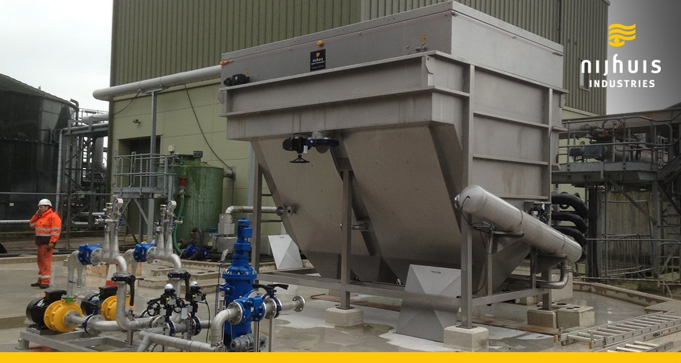
In both water production and wastewater treatment systems, primary clarification is a critical phase that directly impacts the efficiency of downstream treatment processes. This is especially true when raw water contains suspended solids, organic matter, fats, oils, grease, or algae—contaminants that conventional sedimentation systems fail to remove effectively. These unresolved issues impose a heavy burden on filtration and biological treatment systems, while drives up long-term operational costs.
To overcome these conventional limitations, the Netherlands—a global leader in water management technology—has developed an advanced Dissolved Air Flotation (DAF) system. Engineered with a compact footprint, this technology is designed to effectively manage space constraints and meet the rigorous treatment demands of both industrial and municipal applications.
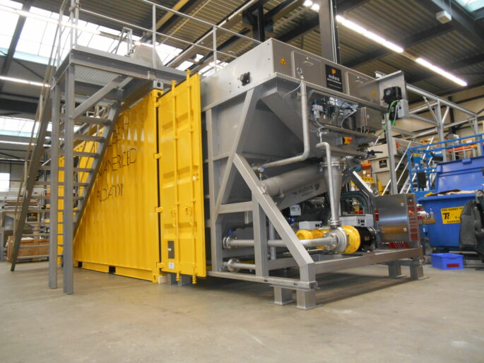
The operational principle of the DAF system involves separating floating solids from water using micro-bubbles. It is highly efficient in removing low-density suspended solids and is specifically engineered for primary clarification. The system effectively reduces turbidity and suspended solids, thereby minimizing the burden on downstream treatment processes. The process begins by dissolving air into water under high pressure to create air-saturated water. This water is then released into the treatment tank; as the pressure drops, the dissolved air expands to form countless micro-bubbles.
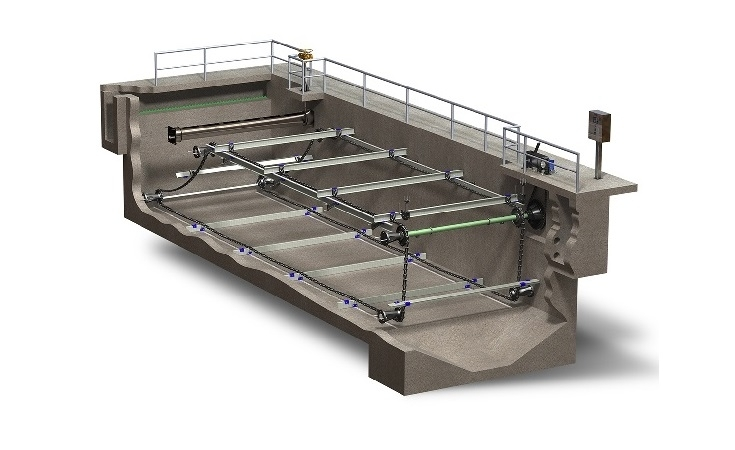
The Non-Metallic Flight and Chain Sludge Collector is an essential component in wastewater treatment systems, engineered to maximize sludge scraping and collection efficiency. Utilizing chains and flight scrapers manufactured from high-grade, non-metallic materials, this technology is the ideal solution for highly corrosive environments. It significantly reduces maintenance burdens and extends the long-term operational lifespan of wastewater treatment systems.
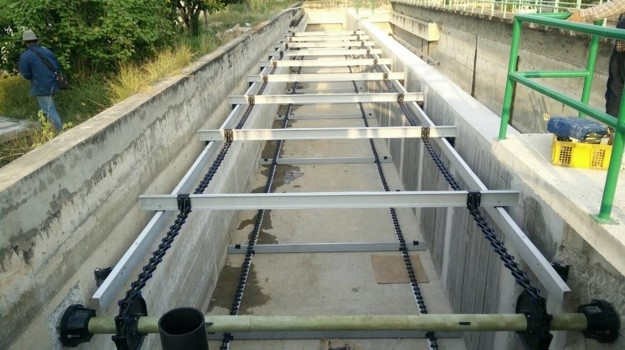
The Non-Metallic Flight and Chain Sludge Collector utilizes chains and flight scrapers manufactured from high-quality engineering plastics rather than traditional metals. The system operates continuously to scrape and transfer settled sludge in sedimentation or wastewater treatment tanks to designated collection points, making it ideal for both industrial and commercial building wastewater treatment applications. This collector features exceptional corrosion resistance, as the materials are specially formulated to withstand harsh chemicals, UV exposure, and severe wastewater conditions. Furthermore, the system requires no lubrication, is lightweight, ensures effortless maintenance, and delivers an extensive operational lifespan of over 25 years.
Automation Control and Loss Management
1. Flowinn หัวขับไฟฟ้า
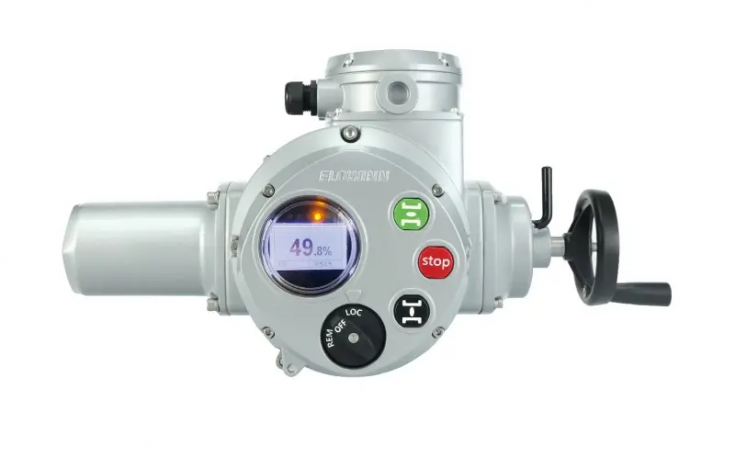
หัวขับไฟฟ้า (Electric Actuator) is an essential component in automation systems used to control the opening and closing of valves or water gates across industrial projects, water production facilities, wastewater treatment plants, and public utility infrastructures. Delivering high precision, stability, and safety, this technology enables projects to manage water flow more efficiently, mitigates risks associated with operational errors, and enhances workplace safety—particularly in hard-to-reach or high-risk environments.
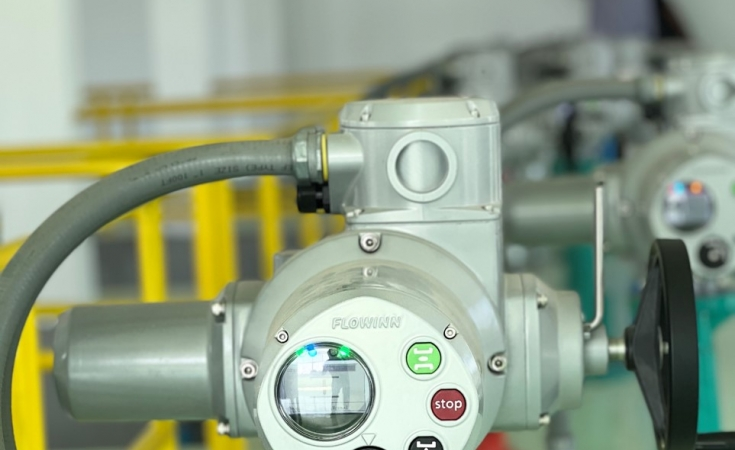
The electric actuators carefully selected and imported from China by SST are engineered and manufactured to rigorous international industrial standards. Built for exceptional strength and durability, these devices are perfectly suited for diverse environmental conditions across water supply, wastewater, and industrial systems that demand continuous operation. The product line holds CE (European Conformity) certification, guaranteeing compliance with European Union safety, health, and environmental requirements. Furthermore, these actuators actively support the transition to the Industry 5.0 era, offering flexible digital connectivity and control integration to meet the needs of projects requiring high precision and maximum reliability.
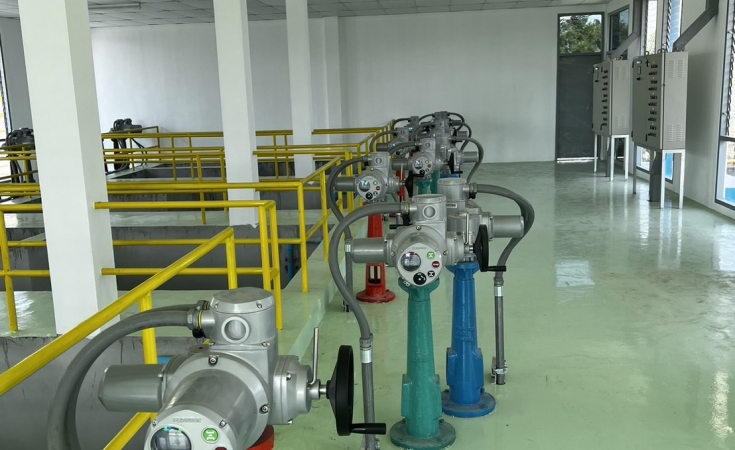
To date, SST has successfully deployed electric actuators across more than 30 projects, with a total installation base exceeding 250 units. This extensive track record spans municipal water supply networks, wastewater treatment facilities, and a diverse range of industrial applications.
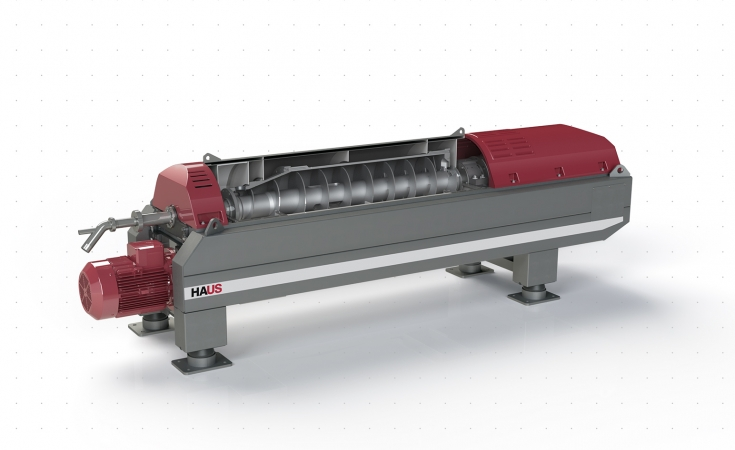
The Decanter Centrifuge System is a sludge dewatering technology imported from Turkey, manufactured in strict compliance with international industrial standards. Specifically engineered for heavy-duty applications in industrial wastewater treatment, the system minimizes sludge volume prior to final disposal. It utilizes centrifugal force generated by high-speed rotation to efficiently separate solid cake from sludge water. Capable of continuous operation, this system ensures an uninterrupted dewatering process—eliminating the need for cyclic shutdowns common in alternative dewatering technologies.

The system delivers an enhanced sludge dewatering rate, achieving a cake dryness of 35% to 40% Dry Solids (DS). This significantly minimizes sludge volume, thereby reducing transportation costs and long-term disposal expenses. Furthermore, the equipment is manufactured utilizing the Centrifugal Casting Method, which effectively mitigates the risk of micro-cracks forming within the material structure. This ensures superior structural integrity, prevents mechanical failures, and significantly extends the operational lifespan of the system.
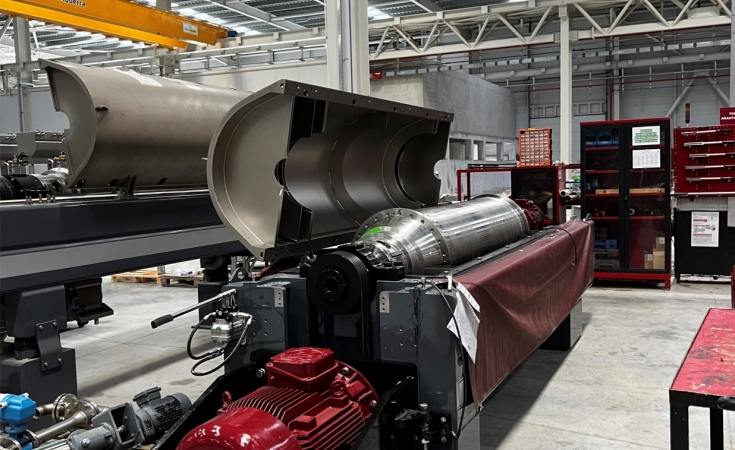
To date, SST has successfully installed electric actuators within Decanter Centrifuge systems across more than 30 projects, with a total deployment exceeding 250 units. This significant milestone directly reflects the deep trust of our clients and underscores the system’s high efficiency, which has been rigorously proven through real-world field operations.
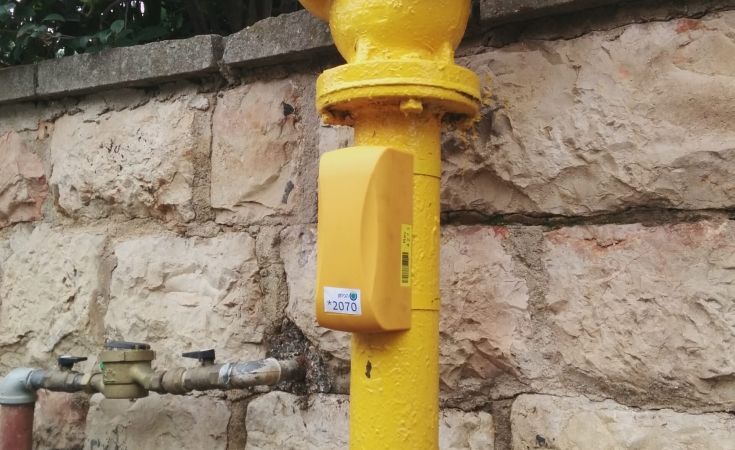
The Water Loss Management system is a critical solution for modern authorities and organizations overseeing water distribution networks, particularly in an era marked by limited water resources and escalating production costs. Developed in Singapore, this system is strategically engineered to systematically reduce water loss within pipeline networks through the integration of high-precision leak detection technologies.
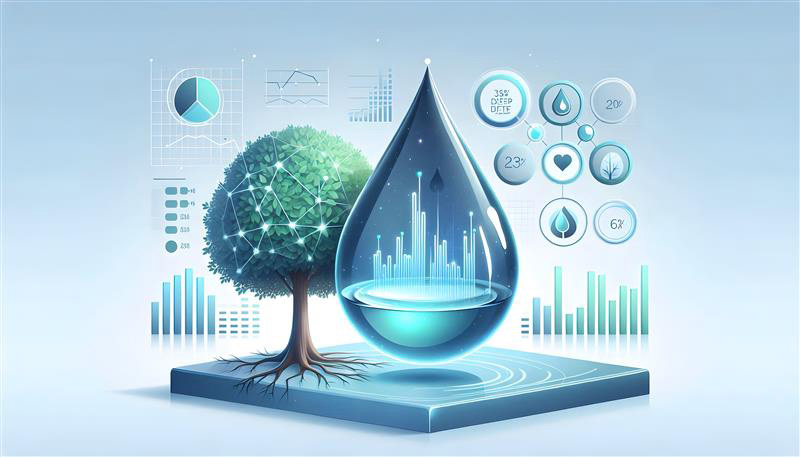
Recognizing the critical challenges of water loss within distribution networks, engineers have developed structured management methodologies to address aging pipelines, structural damages, and invisible underground leaks. Left unmanaged, these issues result in massive volumes of water loss, drive up production costs, and compromise service efficiency. Without an effective detection system, locating these leaks is often a time-consuming process that requires extensive and repetitive excavation, ultimately leading to inflated repair expenditures.
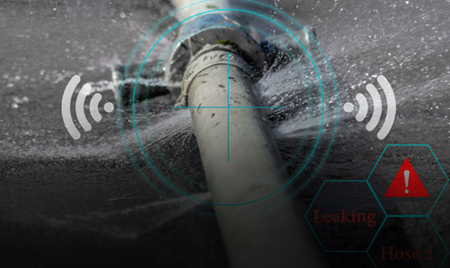
To address these challenges, Acoustic Detection Technology has been implemented. Integrated into the Water Loss Management system, this internationally recognized method detects the specific sounds or vibrations generated by water escaping through pipeline leaks. Operating within a range of up to 3 meters, the system analyzes acoustic signals to precisely pinpoint the leak location. This enables technical teams to perform targeted repairs, eliminates unnecessary excavation, and minimizes disruptions to the local community and traffic.
Sustainable Industrial Water and Wastewater Management: A Strategic Summary
Industrial water and wastewater management is no longer merely a matter of regulatory compliance; it has become the cornerstone of sustainable business operations, directly impacting production costs, system efficiency, and corporate reputation.
Industries equipped with efficient water treatment and wastewater management systems can significantly minimize water loss, optimize energy consumption, and reduce treatment expenditures. Simultaneously, these systems ensure that effluent quality strictly complies with regulatory standards, directly securing production continuity and long-term business growth.
If you are seeking a comprehensive expert in industrial water treatment, process water production, and wastewater management systems, Siam Syndicate Technology Public Company Limited (SST) is your trusted partner. With over 40 years of proven expertise, we deliver world-class technologies and solutions tailored for industrial water and wastewater treatment systems.
SST stands ready to help your organization transform "water challenges" into "business opportunities." Through customized system engineering tailored to your specific industry profile, we enhance water-use efficiency, mitigate environmental impacts, and elevate your operational standards toward true sustainability.