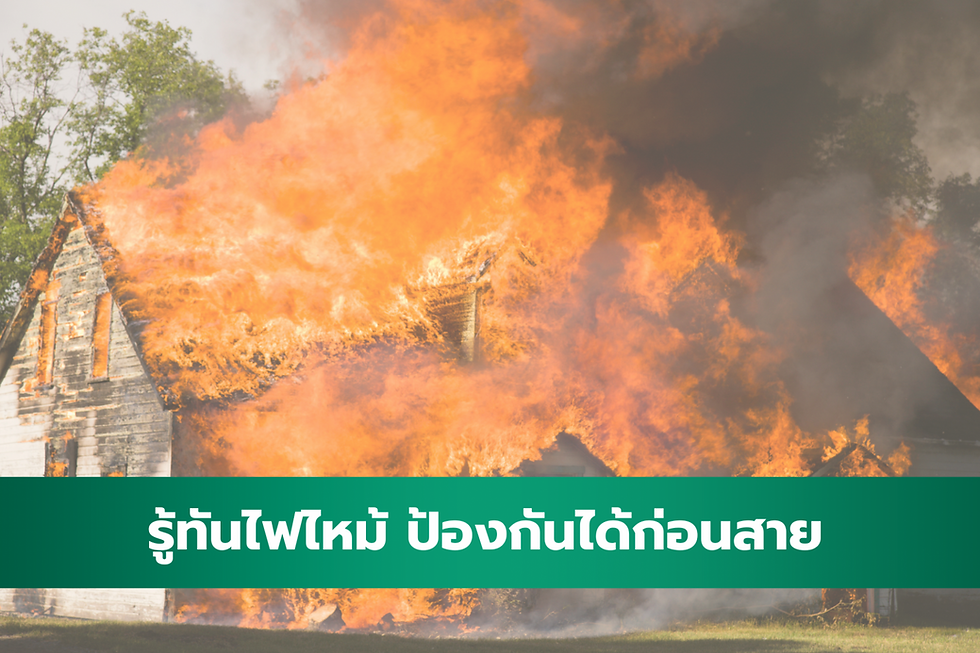
What causes a short circuit? Causes that many homes overlook.
Updated: Jun 22

Sometimes, major home accidents start from tiny details we fail to notice—such as an unusually warm plug, an old wire that has become brittle, or a light flickering for just a few seconds. These might seem like minor issues, but in reality, they could be warning signs of a short circuit, which is one of the leading causes of house fires worldwide.
Imagine that your home's electrical system is like the "body's vascular system," constantly distributing energy to every part of the house, whether it is the air conditioner, refrigerator, television, or various other electrical appliances. If this system malfunctions—such as current flowing the wrong way or heat building up—it can pose an immediate danger.
This article will take you through understanding what a short circuit is, what causes it, the warning signs you should know, and how to properly prevent short circuits in your home, to help make your house much safer.
What is a Short Circuit?

A short circuit is an abnormal condition in an electrical system where current flows through a path with lower resistance than normal, or bypasses devices that should be part of the circuit. This results in an excessive amount of electrical current flowing beyond what the system can support in a short period, causing rapid heat accumulation. This can damage or melt wires, generate sparks, and create a risk of spreading into a fire.
The causes of short circuits are often related to the deterioration or damage of wire insulation, substandard system installation, the use of damaged electrical equipment, or improper usage. All of these factors increase the likelihood of electrical accidents and can lead to property damage or threaten the safety of users.
The Difference Between a Short Circuit and an Overload
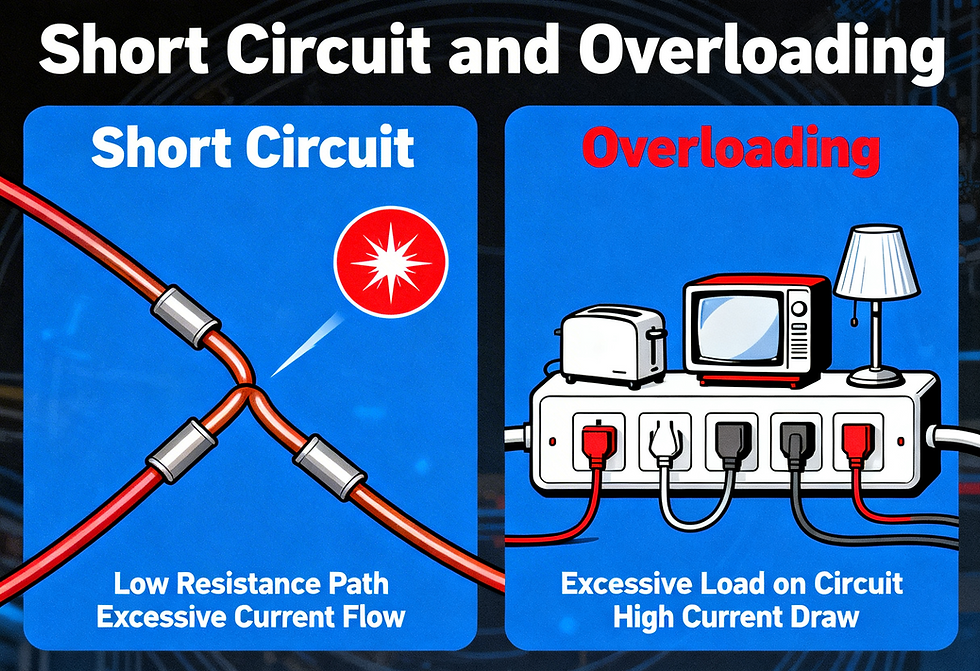
Many people often mistake short circuits and overloads for the same thing, but they are actually different types of problems.
Short Circuit occurs when wires or electrical circuits come into direct contact with each other, causing an abnormal current flow that increases instantly, such as when torn wire insulation allows the wires to touch.
Overload occurs when using more electrical appliances than the electrical system can support, such as plugging multiple types of appliances into a single extension cord.
Even though both problems are different, both short circuits and overloads can cause fires!!!
Common Causes of Short Circuits in the Home and How to Prevent Them
1. Deteriorated Wiring or Damaged Insulation

Electrical wires used for a long time can deteriorate, causing the protective insulation to crack, become brittle, or peel off. When the internal wires touch each other or other materials, a short circuit can occur instantly.
In particular, older homes that lack regular electrical system inspections face a higher risk. Residential safety research indicates that old wiring used for over 15–20 years has a higher-than-normal probability of developing electrical system issues.
Tip: You should have your home's electrical system inspected every 5–10 years and replace damaged wires immediately. If you notice a burning smell or unusual heat from any electrical appliance, stop using it right away.
2. Overloading Extension Cords
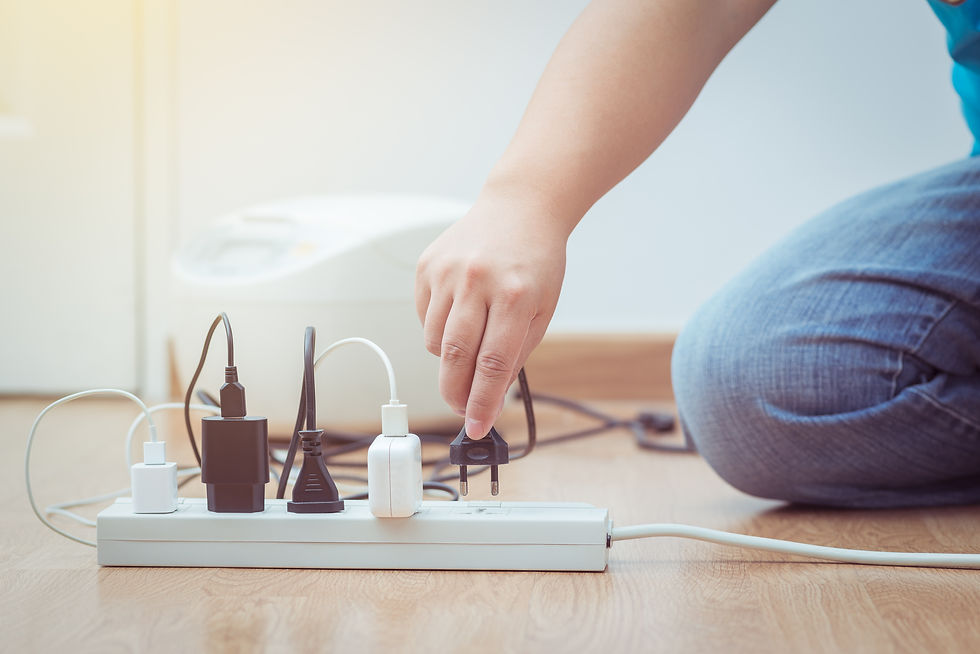
Extension cords are tools that add extra outlets, but if used incorrectly, they can become a risk point for short circuits. Plugging multiple electrical appliances into the same extension cord—such as a refrigerator, microwave, rice cooker, or high-power appliances—can cause heat buildup and exceed the current-carrying capacity of the wire.
When electrical current flows through a wire beyond its rated capacity, it causes heat accumulation until the insulation melts, potentially leading to a short circuit or a fire. According to data from electrical safety agencies, over 30% of house fires are caused by electrical overloads.
Tip: Avoid plugging multiple types of electrical appliances into the same extension cord.
3. Substandard Electrical Equipment

Electrical appliances that lack safety standards or cheap, uncertified devices—for example:
Cheap power strips
Low-quality charging cables
Appliances that do not meet industrial standards
Therefore, choosing electrical equipment with safety standards is essential.
These devices may have inadequate electrical protection systems, making them highly prone to short circuits. This is because with continuous use, these devices can generate extreme heat.
Tip: Always choose to buy power strips, wires, and electrical appliances that carry safety standard marks, such as TISI (มอก.).
4. Moisture and Water Entering the Electrical System

Water is a conductor of electricity. When moisture or water gets into power outlets, switches, or electrical control boxes, it can cause an instant short circuit.
High-risk areas include:
Bathrooms
Kitchens
Outdoor areas
Tip: Avoid using electrical appliances near water sources and choose to use waterproof equipment in wet areas.
5. Incorrect Electrical System Installation
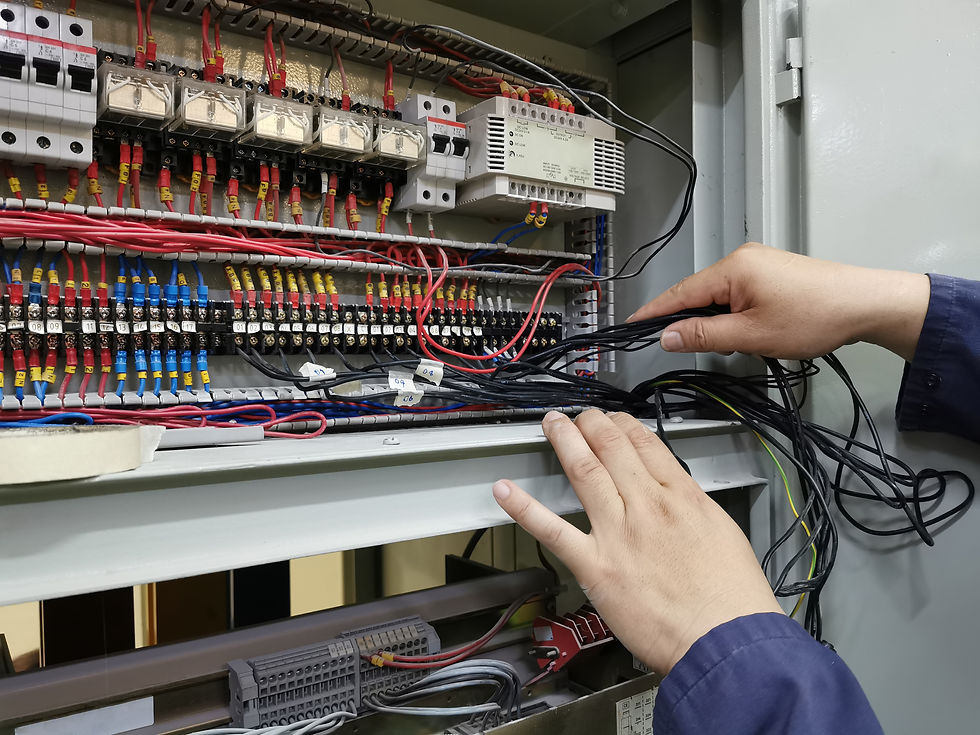
Wiring or installing electrical equipment by unskilled technicians can lead to errors, such as:
Loose wire connections
Using improper wire sizes
Incomplete installation of electrical protection devices
Lack of automatic circuit breakers
These mistakes can increase the risk of short circuits and pose a danger to residents.
Tip: Circuit breakers or automatic safety switch systems should be installed by experts. If your home is an older house that uses traditional cut-outs, which lack an automatic shut-off system, you should replace those old cut-outs with circuit breakers or an automatic safety switch system.
6. Animals Biting Wires

Another cause that many people overlook is animals biting wires, such as rats or insects that chew through electrical wires, damaging the insulation. When the internal wires touch each other, it can cause a short circuit. This problem is frequently found in homes with storage areas, attics, or unused spaces.
Tip: You should periodically check your attic or storage areas to prevent animals from entering and chewing on the wires.
Warning Signs Before a Short Circuit Occurs
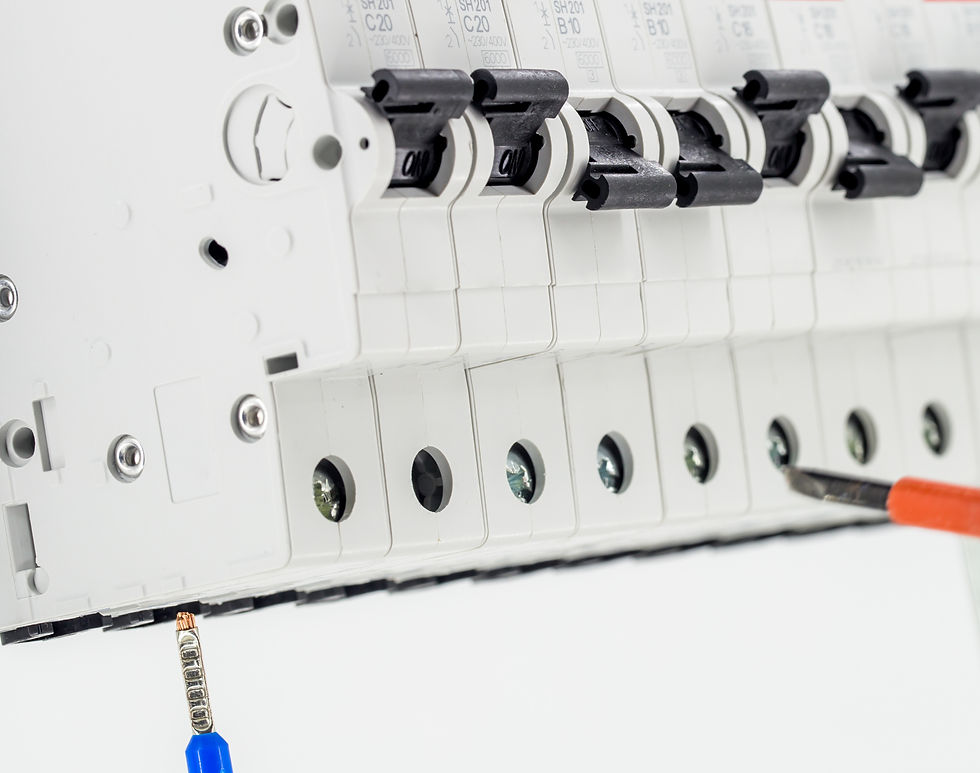
Many times, short circuits come with early warning signs that many people overlook.
Signs you should watch out for include:
The circuit breaker trips abnormally often
Power outlets or wires feel hot
A burning smell coming from power outlets
Lights flickering or frequent voltage drops (brownouts)
Hearing a crackling or popping sound from power outlets
If you notice any of these symptoms, you should stop using electrical equipment immediately and have your electrical system inspected.
Dangers of Short Circuits That Should Not Be Overlooked
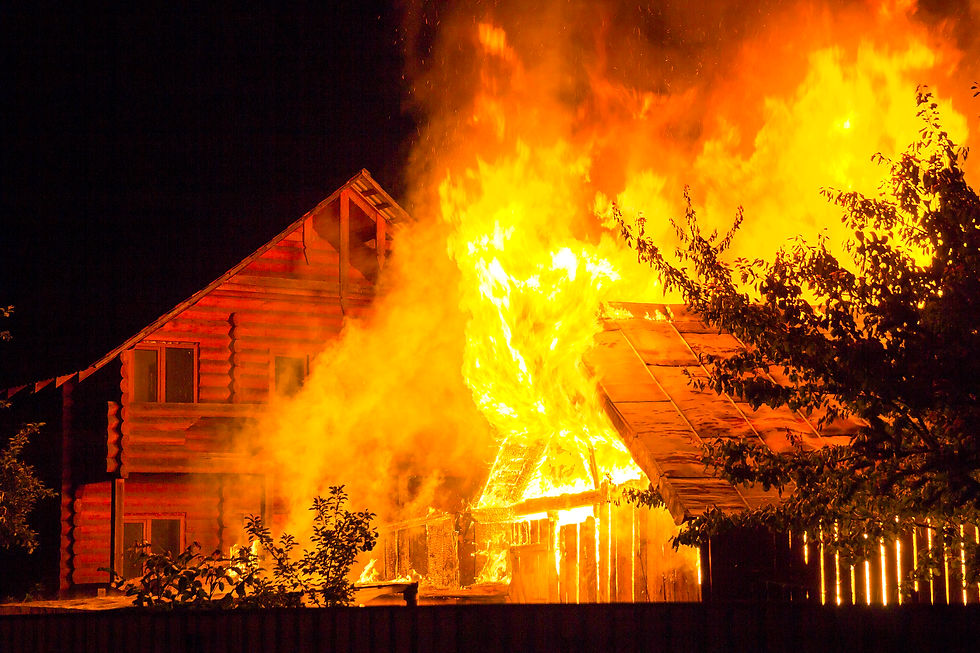
Short circuits can cause dangers in several areas, such as:
Risk of House Fires: The heat generated by high electrical current can melt wires and ignite a fire.
Damage to Electrical Appliances: A short circuit can cause immediate damage to electrical appliances.
Risk of Electric Shock or Electrocution: If the electrical system malfunctions, it can cause an electric shock, which is life-threatening.
Damage to the Entire Home's Electrical System: A short circuit can damage circuit breakers or cause the entire home's electrical system to stop working.
How to Prevent Short Circuits in the Home

Short circuits can be prevented in several ways, such as:
Regularly Inspect the Electrical System: You should consistently check wires, power outlets, and electrical equipment.
Choose Standard Electrical Equipment: Buy electrical devices that carry safety standard marks for your safety.
Avoid Overloading Extension Cords: Do not plug multiple types of electrical appliances into the same extension cord.
Install Circuit Breakers or Automatic Safety Switch Systems: Circuit breakers can cut off power instantly when there is an abnormal current, reducing the risk of fire.
Prevent Moisture in the Electrical System: Waterproof equipment should be used in wet areas, such as bathrooms or outdoor spaces.
What to Do When a Short Circuit Occurs
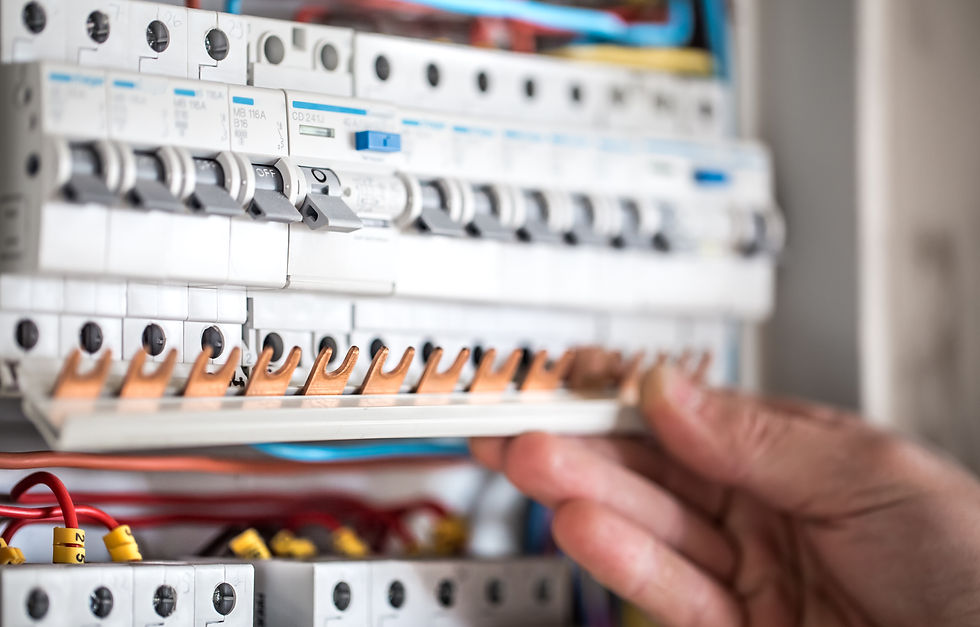
If a short circuit occurs, you should act as follows:
Turn off the circuit breaker or cut-out immediately.
Never touch electrical equipment with wet hands.
If a fire breaks out, use a CO₂ (carbon dioxide) fire extinguisher.
Contact a professional electrician to inspect the electrical system.
Handling the situation correctly can help reduce damage and prevent danger.
Conclusion
Short circuits are problems that can happen in any home and are one of the leading causes of residential fires.
The causes of short circuits can stem from various factors, such as:
Deteriorated wiring
Overloading extension cords
Substandard electrical equipment
Moisture in the electrical system
Incorrect electrical system installation
Animals biting wires
Even though these issues might seem minor, leaving them unaddressed can lead to severe accidents.
Regularly inspecting your electrical system, choosing standardized equipment, and using electricity properly will significantly reduce the risk of short circuits and enhance your home's safety. After all, a safe home does not happen by accident, but comes from mindful care and prevention starting today.